
The battle is on! Is the Game Nitro device gaming portable vs console debate finally over? Grab your controllers, because we’re diving deep into the ultimate portable versus home console clash. Spoiler alert: it’s not just about raw power, it’s about where your gaming soul belongs.
Unpacking the Game Nitro Device Gaming Portable vs Console Debate

The ongoing rivalry between handhelds and living room giants is the stuff of legend. When enthusiasts discuss the Game Nitro device gaming portable vs console matchup, they are essentially debating the fundamental nature of the gaming experience: the freedom of mobility versus the sheer spectacle of a dedicated home setup. Historically, this has pitted devices like the Nintendo Switch or Steam Deck against the behemoths like the PlayStation 5 or Xbox Series X. However, a new challenger is rapidly gaining traction in the portable arena: the Game Nitro device. This emerging powerhouse aims to bridge the massive performance gap that has traditionally favored traditional consoles.
To truly understand this debate, we must look beyond simple specs. It involves analyzing screen real estate, input latency, exclusive software libraries, and the sheer convenience of playing on a bus versus playing on a 65-inch 4K OLED television. The Game Nitro device gaming portable vs console argument forces gamers to evaluate their lifestyle. Are you a commuter who needs entertainment on the go, or a dedicated enthusiast who craves immersive, high-fidelity experiences from the comfort of your couch? Let’s dissect the core pillars of this epic technological showdown.
The Evolution of Handheld Power
Portable gaming has come a long way from the pixelated screens of the original Game Boy. Modern handhelds have evolved into sophisticated computing machines. The recent influx of Windows-based handhelds and powerful ARM-architecture devices has completely shifted the paradigm. The Game Nitro device gaming portable vs console conversation is no longer about playing heavily downscaled versions of mobile games; it is about running AAA, console-quality titles on a battery-powered chassis. Devices like the Game Nitro leverage advanced system-on-chip (SoC) technology, utilizing custom ARM cores and highly efficient GPUs to deliver performance that rivals older-generation home consoles, all while maintaining a remarkably low power draw.
This evolution means that the ‘portable’ label no longer implies a compromise in graphical fidelity. With the integration of dynamic resolution scaling and advanced upscaling technologies, these portable devices can push impressive frame rates in demanding titles. The hardware landscape has matured to a point where the line between a dedicated console and a high-end portable device is becoming increasingly blurred.
The Immersion Factor: Big Screen vs. Pocket Screen
One of the most undeniable advantages of a traditional console is the screen size. A dedicated home console is intrinsically tied to a large television or monitor, providing an expansive canvas for game developers to showcase their artistry. The immersion factor is incredibly high; you are enveloped by the game world, with surround sound systems and high-resolution displays bringing every detail to life. When comparing the Game Nitro device gaming portable vs console, the console wins hands down in terms of sheer visual scale and atmospheric immersion.
However, the intimate nature of a portable screen offers a different kind of immersion. The device is held close to the face, creating a focused, personal tunnel vision that is perfect for intense, fast-paced games or intricate puzzle-solving. The tactile feedback of physical buttons and joysticks on a compact frame like the Game Nitro creates a deep, physical connection to the digital world. While the console offers a grand, cinematic spectacle, the portable device offers a deeply personal, uninterrupted connection to the gameplay mechanics.
Performance and Graphics: The Raw Numbers
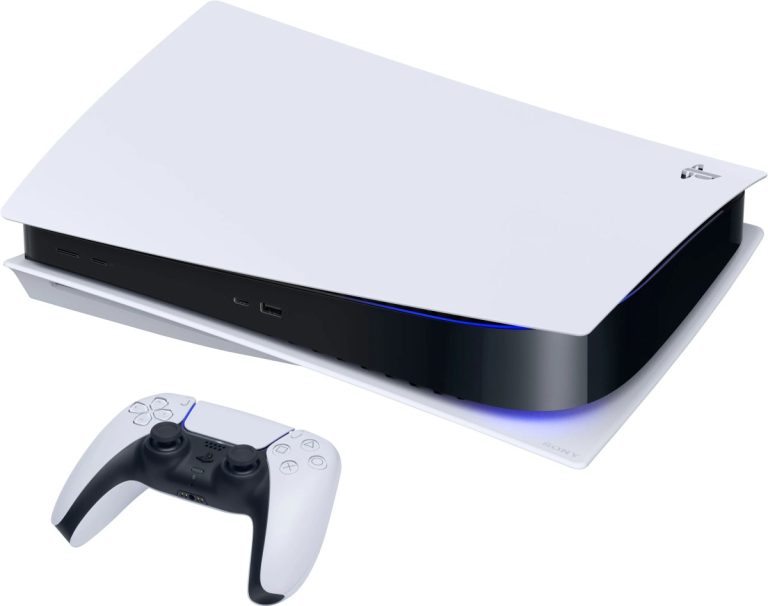
When it comes to the nuts and bolts of computing power, the debate between the Game Nitro device gaming portable vs console is a fascinating study in engineering trade-offs. Home consoles are built without the severe constraints of battery life and thermal dissipation that plague handheld devices. As a result, current-generation consoles like the PS5 and Xbox Series X boast custom AMD Zen 2 CPUs and RDNA 2 GPUs that operate at massive teraflop counts. They are designed to output native 4K resolutions at 60 frames per second, with the capability to hit 120 FPS in optimized scenarios. They also feature ultra-high-speed NVMe SSDs that virtually eliminate loading screens, fundamentally changing game design.
In contrast, the Game Nitro device operates under strict thermal and power envelopes.To achieve its impressive performance, it relies on highly optimized ARM architecture and cutting-edge upscaling solutions, such as proprietary AI-driven upscalers similar to NVIDIA’s DLSS or AMD’s FSR.While it might not hit a native 4K resolution, it can comfortably deliver 1080p or 1440p gameplay at stable framerates, which is an incredible feat for a handheld.
.The performance of the Game Nitro is a testament to software optimization and architectural efficiency rather than brute force.It proves that a Game Nitro device gaming portable vs console comparison isn’t just about who has the bigger numbers, but who utilizes their hardware more intelligently to deliver a smooth gaming experience..
Thermal Management and Fan Noise
Heat is the enemy of performance, but it is the ultimate nemesis of portability. Consoles have large chassis, massive heatsinks, and high-airflow fans that can run loudly because they are stationary. They can push hardware to its absolute limits without worrying about the user’s lap temperature. The Game Nitro device, however, must pack all of this power into a chassis small enough to hold in two hands. This requires incredibly sophisticated thermal management solutions, including vapor chambers, precision-placed heat pipes, and ultra-quiet, high-RPM fans.
During intense gaming sessions, the Game Nitro manages thermals admirably, though users might feel warmth on the grips. The fan noise is generally kept to a low hum, easily masked by game audio. In comparison, a console’s fan can sometimes sound like a jet engine during heavy graphical loads, though it is often forgotten due to the distance between the user and the box. The engineering required to keep the Game Nitro cool and quiet while delivering console-like performance is a major triumph in the portable space.
Storage Speeds and Loading Times
Loading times have become a critical metric in modern gaming. Consoles benefit from custom, ultra-fast NVMe SSDs that are integrated directly into the motherboard, offering bandwidths that allow for near-instant asset streaming. This technology enables features like ‘Seamless Fast Travel’ in games like Ratchet & Clank: Rift Apart. The Game Nitro device gaming portable vs console gap in raw storage bandwidth is significant. The Game Nitro utilizes high-speed UFS (Universal Flash Storage) or internal NVMe slots, which are incredibly fast for a mobile standard but cannot match the bespoke SSDs of a full-sized console.
However, the practical difference in loading times for most games is often negligible to the average user. While a console might load a heavy open-world game in 3 seconds, the Game Nitro might take 5 or 6 seconds. For a portable experience, this is still vastly superior to the loading screens of previous generations of handhelds. The focus for the Game Nitro is on efficient data streaming to maintain frame pacing, ensuring that the user is rarely subjected to long, tedious waits.
Game Library and Ecosystem Compatibility
A gaming device is only as good as the software it can run. This is perhaps the most crucial aspect of the Game Nitro device gaming portable vs console debate. Traditional consoles operate within closed, curated ecosystems. Buying a PlayStation means accessing the PlayStation Store and its vast library of exclusives, from The Last of Us to Spider-Man. The ecosystem is seamless, offering features like cloud saves, trophy systems, and integrated social networks, but it limits the user to a specific walled garden.
The Game Nitro device takes a radically different approach, leaning heavily into openness and compatibility. It often functions as a bridge between multiple platforms. By utilizing advanced emulation cores and native compatibility layers, the Game Nitro can run a massive library of retro games, independent titles, and even some modern AAA titles via streaming or native ports. It is not bound by a single publisher’s restrictions. This versatility makes the Game Nitro a Swiss Army knife of gaming, capable of playing everything from 8-bit classics to demanding modern emulated titles, offering a library depth that no single console can match without purchasing multiple systems.
Exclusive Titles and First-Party Support
Consoles thrive on exclusivity. First-party studios create landmark titles that are only available on one platform, driving millions of hardware sales. Games like Zelda: Tears of the Kingdom or God of War are the pillars of the console ecosystem. When evaluating the Game Nitro device gaming portable vs console, the console undeniably wins in the realm of high-budget, cinematic exclusives. These games are meticulously crafted to exploit the specific hardware capabilities of the console, offering experiences that are currently impossible to replicate on a handheld.
However, the Game Nitro is beginning to attract developer attention. As the user base for powerful handhelds grows, developers are starting to optimize and port titles specifically for ARM-based portable devices. Furthermore, the ability to play PC-compatible games or stream high-end console games via services like Xbox Cloud Gaming or NVIDIA GeForce Now effectively gives the Game Nitro access to the exclusive libraries of other platforms. While it may not have a dedicated first-party studio creating multi-million dollar exclusives just for it yet, its compatibility with vast existing libraries provides an unparalleled breadth of gaming content.
Backward Compatibility and Retro Gaming
Retro gaming is a massive pillar of the portable experience. The Game Nitro device gaming portable vs console comparison heavily favors the portable side when it comes to backward compatibility. While modern consoles like the Xbox Series X offer impressive backward compatibility with previous Xbox generations, they are still limited to their own family tree. You cannot play a PlayStation 2 or a Nintendo 64 game natively on a PS5.
The Game Nitro, however, is a retro gamer’s dream. Its architecture is perfectly suited for emulation, allowing it to flawlessly emulate systems ranging from the NES and SNES all the way up to the PlayStation 2, GameCube, and even Wii U in many cases. This built-in versatility means that a single Game Nitro device can replace an entire collection of older consoles and handhelds. The ability to carry thousands of classic games in a single, portable unit is a unique advantage that no traditional console can offer, making the Game Nitro an essential tool for preservationists and nostalgia seekers alike.
Portability and Lifestyle Integration
The defining characteristic of any handheld is, of course, its portability. This is the primary reason gamers choose a device like the Game Nitro over a console. The Game Nitro device gaming portable vs console debate ultimately boils down to lifestyle integration. A console is a stationary object; it dictates where you play. You must be in your living room, in front of your TV. A portable device, conversely, adapts to your life. It fits in a backpack, a jacket pocket, or on a nightstand.
This mobility unlocks gaming scenarios that are impossible with a console. You can play during a long commute, while waiting at the doctor’s office, or in bed without disturbing a partner. The Game Nitro’s compact form factor and impressive battery life (often ranging from 3 to 6 hours depending on the title) make it the perfect companion for gamers with busy schedules. It transforms ‘dead time’ into valuable gaming hours, offering an accessibility that a home console simply cannot match.
Battery Life and Charging Convenience
Battery life is the tether that limits the portable experience. While consoles are plugged into the wall and have infinite power, the Game Nitro relies on its internal battery. The efficiency of its ARM architecture allows it to outlast many x86-based handhelds, providing several hours of continuous gameplay. However, it still requires charging. The convenience factor is high; most modern portables support fast charging via USB-C, allowing users to top up their battery quickly during breaks. While you cannot game indefinitely on a single charge like a console, the flexibility of playing anywhere usually outweighs the need to find an outlet.
Travel-Friendliness and Form Factor
Traveling with a console is a logistical nightmare involving heavy carrying cases, power bricks, and the constant worry of damaging expensive hardware. The Game Nitro device gaming portable vs console comparison makes the winner obvious in this category. The Game Nitro is designed to be tossed into a bag alongside a charger and a pair of headphones. Its robust build quality is tested to withstand the bumps and jostles of travel. Whether you are on a road trip, a flight, or a vacation, the Game Nitro provides a consistent, high-quality entertainment system that requires no setup time and occupies minimal space, making it the ultimate travel companion for gamers.
Audio Experience: Spatial Sound vs. Headphone Immersion
Audio plays a pivotal role in gaming immersion, and the approaches of consoles and portables differ significantly. Consoles are often paired with high-end home theater systems or surround sound setups. They support advanced audio formats like Dolby Atmos and Tempest 3D AudioTech, which use object-based audio to create a highly realistic, spatial soundscape that seems to come from all directions. When discussing the Game Nitro device gaming portable vs console, the console’s ability to drive a multi-speaker room-filling experience is unmatched.
However, the Game Nitro excels in the personal audio domain. It is designed primarily for headphone use. Modern spatial audio technologies are increasingly being implemented in software for headphones, allowing the Game Nitro to deliver impressive 3D audio experiences directly to the user’s ears. This creates an incredibly intimate and focused soundscape, perfect for competitive gaming where hearing footsteps is crucial, or for narrative-driven games where subtle audio cues enhance the story. The ability to game silently without disturbing others is a massive advantage of the portable form factor.
Speaker Quality and External Output
Built-in speakers on handhelds have historically been weak, but the Game Nitro features surprisingly robust stereo speakers that provide clear and punchy audio for casual play. While they cannot replicate the bass and dynamics of a home theater system, they are more than capable for single-player adventures or local multiplayer in a quiet room. Additionally, the Game Nitro supports high-quality audio output via its USB-C port or 3.5mm jack (if equipped), allowing users to connect to external DACs or high-fidelity headphones, bridging the gap towards a more audiophile-grade experience while maintaining portability.
Future-Proofing and Software Updates
The lifespan of a gaming device is heavily influenced by its ability to adapt to future software demands. Consoles have a defined lifecycle, typically lasting 6 to 7 years, during which manufacturers provide regular system updates and optimizations. The Game Nitro device gaming portable vs console debate takes an interesting turn regarding future-proofing. Because consoles are closed systems, their performance ceiling is fixed; they cannot be upgraded to handle future generations of games beyond what the hardware was originally designed for.
The Game Nitro, particularly if it utilizes modular components or relies on software-based emulation and streaming, offers a more dynamic future-proofing strategy. As emulation cores are updated and optimized, the Game Nitro can suddenly gain the ability to run previously incompatible systems or run them more smoothly. Furthermore, its compatibility with PC platforms and cloud gaming services means that as those services evolve and improve, the Game Nitro automatically benefits from those advancements. It is a device that grows with the software ecosystem rather than being limited by a static hardware generation.
Cloud Gaming Integration
Cloud gaming is the future of platform-agnostic entertainment, and it heavily favors portable devices.Services like Xbox Cloud Gaming, NVIDIA GeForce Now, and PlayStation Plus Premium allow users to stream high-end console and PC games over the internet.The Game Nitro device gaming portable vs console dynamic shifts dramatically with cloud integration.
.The Game Nitro can act as a client for these services, effectively turning it into a PlayStation 5 or an Xbox Series X without the need for the physical console hardware.This means the Game Nitro is not just a standalone device; it is a portal to the entire future of gaming, limited only by the quality of your internet connection rather than its internal hardware specs..
Verdict: Choosing Your Side in the Gaming Wars
After a deep dive into the specifications, ecosystems, and lifestyle factors, the Game Nitro device gaming portable vs console debate does not have a single winner; it has two distinct champions for different types of gamers. If you prioritize maximum graphical fidelity, cinematic exclusives, and a grand, immersive living room experience, the traditional home console remains the undisputed king. It offers a polished, plug-and-play experience that is hard to beat for pure spectacle.
However, if you value freedom, versatility, and the ability to game anywhere, anytime, the Game Nitro device is a revolutionary piece of hardware. It successfully bridges the gap between retro nostalgia and modern performance, offering a library depth and portability that consoles can only dream of. The rise of the Game Nitro signifies a shift in the industry towards flexible, multi-platform experiences. Ultimately, the best choice depends entirely on your personal gaming habits. For the ultimate enthusiast, owning both might be the perfect way to enjoy the best of both worlds.
Frequently Asked Questions
Is the Game Nitro device better than a Steam Deck?
The Game Nitro often focuses on pure ARM efficiency and custom Android-based optimization, whereas the Steam Deck runs a full Linux/PC environment via x86 architecture. The Game Nitro might offer better battery life and a more streamlined mobile experience, while the Steam Deck provides broader native PC game compatibility.
Can the Game Nitro run modern AAA console games natively?
While it cannot run native PS5 or Xbox Series X binaries, the Game Nitro can run many PC ports of AAA games and, through advanced emulation, can handle PlayStation 3 and Xbox 360 titles with impressive performance, delivering a near-native feel for that generation.
How does the price of the Game Nitro compare to a traditional console?
The Game Nitro is typically priced competitively with entry-level consoles or premium handhelds. While a base PS5 or Xbox might cost slightly more, the Game Nitro’s value lies in its multi-system compatibility, effectively replacing the need to buy multiple retro consoles.
What is the battery life of the Game Nitro during heavy gaming?
Under heavy loads, such as running demanding emulators or AAA titles, the Game Nitro generally provides between 3 to 4.5 hours of gameplay. For lighter retro gaming, it can easily last 6 to 8 hours, making it highly efficient for its power class.
Does the Game Nitro support online multiplayer?
Yes, the Game Nitro features robust Wi-Fi and Bluetooth capabilities, allowing for online multiplayer in supported native games, emulated titles with online patches, and seamless integration with cloud gaming services for massive online lobbies.
Recommended for you 👇
Further Reading:
About the Author